The goal of this site is to show a different perspective on Mass Incarceration in The United States. This perspective highlights the effects this government's mission to rid the community of drugs has had on the people. By taking a closer look at incarceration post-Civil War, continuing up to the War on Drugs, this website aims to unveil an unnerving trend in African American incarceration. The mission is to enlighten more people about the sufferings caused by the War on Drugs in the hope that future movements and coalitions fight against laws and regulations created to dismantle impoverished communities, particularly communities of color.
The 13th Amendment abolished slavery and effectively made it legal to enslave a person to punish them for a crime and this amendment disproportionately impacted African Americans. The Vagrancy Political Code of 1855 began targeting African Americans during post Civil War, making it illegal to be black. Vagrancy went from being a minor crime to having those convicted being sent off to do a hard time. (1.) Convict leasing programs had African Americans once again working on plantations in terrible conditions providing free labor to Southern plantation owners. Jim Crow laws prohibiting African Americans from public places deemed white enhanced their arrest.
1. John K. Bardes, "Redefining Vagrancy: Policing Freedom and Disorder in Reconstruction New Orleans, 1862-1868." The Journal of Southern History 84, no. 1 (2018), 69.
Reconstruction failed and Jim Crow was born; Jim Crow laws manifested themselves as a war on African Americans. Segregating all public places like schools, parks, and pools made it easy to arrest African Americans for being in the wrong place. Redlining in neighborhoods kept African Americans in poor neighborhoods and made it difficult to buy property. The community was suffering, and then the War on Drugs began.
Under the guise of creating order by fighting crime, President Reagan increased FBI budgets from 8 million to 95 million while reducing funds for drug treatment and education. In 1987, when the War on Drugs hit, employment of African American men was down to 28%. From 1980-1995, over 80,000 people were arrested for simple marijuana use. While the African American men were sent to prison for drugs, the women suffered, being left to raise their families alone. Government Aid was denied to those who had been convicted of a felony crime, therefore, many African American women denied their husbands upon their release from prison. This effectively raged war on the black family. (2)
Being convicted of a felony, even for a simple marijuana conviction, led to legalized discrimination against African Americans. Housing, jobs, government assistance, and even voting rights were stripped from convicted felons. Looking at this alone, there is no denying that the War on Drugs is a War on People, specifically black families.
Read more and follow these organizations to get involved.
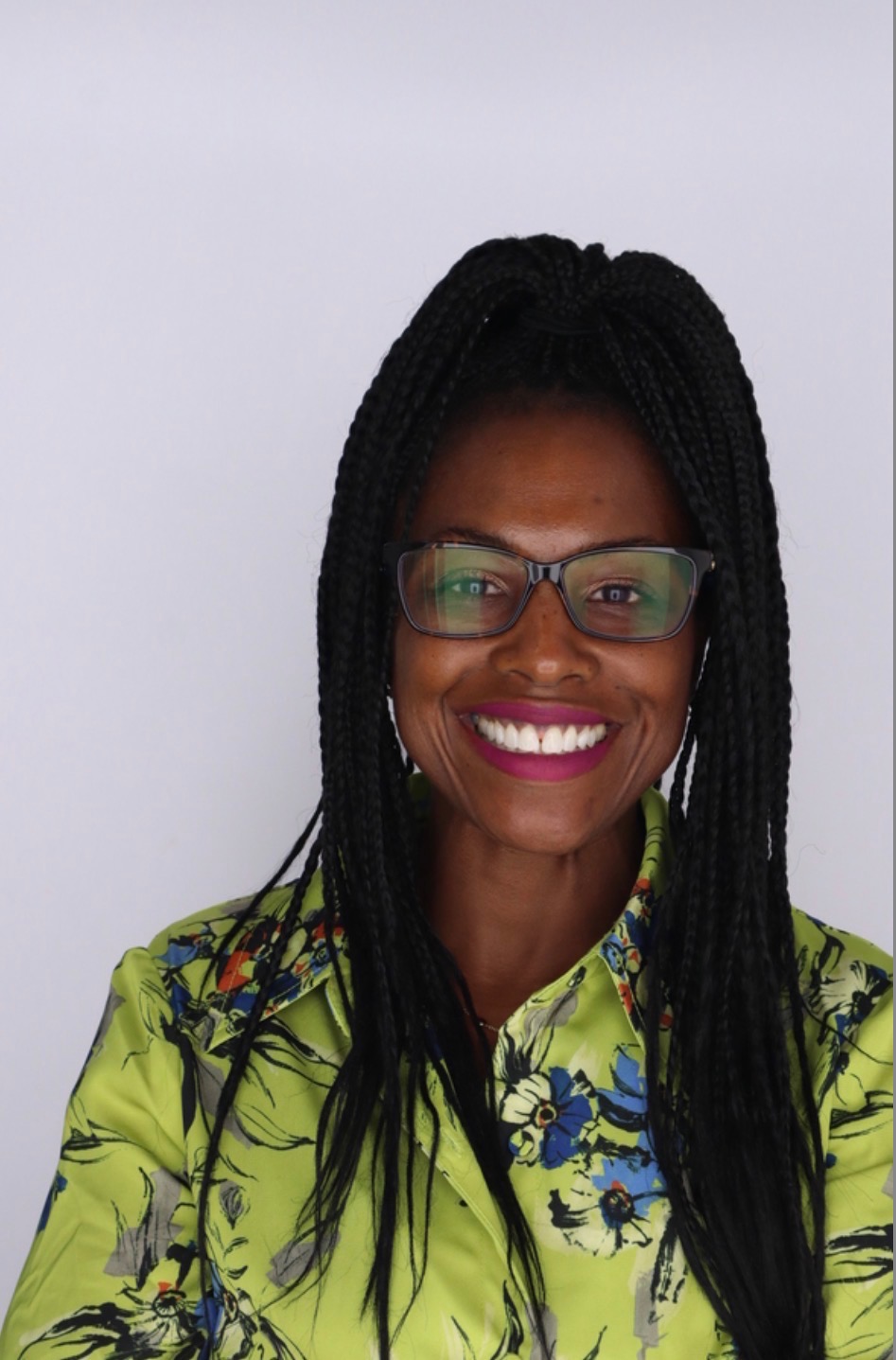
My name is Quiana Anderson, and I am a Master of Computational Social Science candidate at the University of California, Berkeley. As a returning student, I earned my Bachelor of Arts in History with a concentration in Social Justice and Citizenship from California State University, East Bay in May 2025, graduating Summa Cum Laude with a 3.93 GPA.
I am a dual-trained AMI Montessori guide — Primary and Assistance to Infancy — and spent over a decade in the classroom as a primary teacher and toddler guide, including five years as Director of Early Childhood Education across four schools. That foundation in child development and family services continues to shape my commitment to equitable outcomes for vulnerable communities.
My graduate research sits at the intersection of computational methods and social justice. Current projects include predicting chronic absenteeism for approximately 80,000 Oakland Unified School District students in partnership with Oakland Natives Give Back and Wizearly, analyzing thirty years of Congressional discourse on homelessness using natural language processing, and quantifying the commercial cost of mass incarceration by measuring how state-level carceral policy suppresses financial market participation.
I am a member of Phi Theta Kappa, affiliated with Sacramento City College, and Tau Sigma National Honor Society, affiliated with California State University, East Bay. I am a proud mother and grandmother — my daughter recently welcomed my grandson, the love of my life. In my personal time I enjoy hiking, lifting weights, cuddling my golden doodles, and spending time with family and friends.